THIRTYARDS
Bass Fishing. At the pace of the saltwater flyfishing coast. Wexford, Ireland – est 2003.
recent posts
about
-
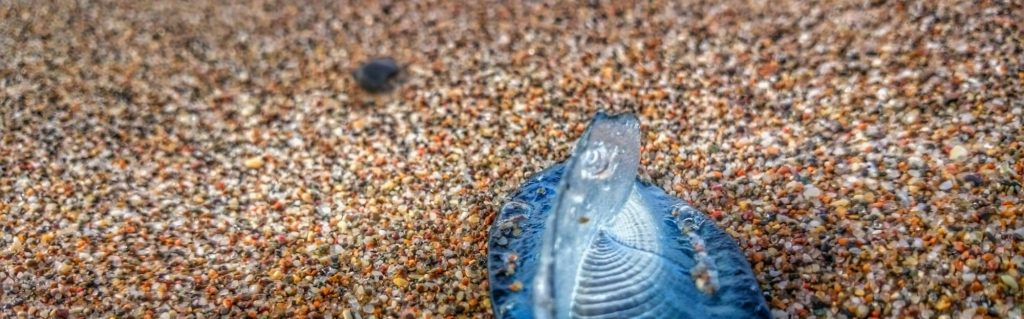
‘In the beach flotsam there are often strays from the surface waters of the open ocean, reminders of the fact that most sea creatures are the prisoners of the particular water masses they inhabit. When tongues of their native waters, driven by winds or drawn by varying temperature or salinity patterns, stray into unaccustomed territory, this drifting life is carried involuntarily with them’.
The Edge of the Sea – Rachel Carson
-
-
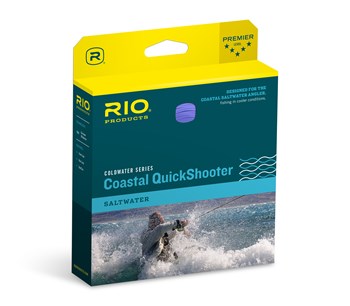
RIO’s new Coastal QuickShooter features a clear intermediate head specifically designed for anglers fishing off the coast in cooler conditions. The short front taper has no problem turning over large baitfish and shrimp patterns in typical coastal winds, and the short, easy-casting head helps load the rod quickly at close range. Available in WF5I-WF8I. In addition, a powerful Coastal QuickShooter XP (Extra Powerful) version with a heavily weighted head, and an aggressive front taper is perfect for casting large flies, and ideal for the striped bass angler. This line is available in WF8I-WF10I sizes – August 2016
-
- Customer safety
- Angling realism
- Moments of truth
- Local experiences
- Sustainability
-
That bass as a species is in urgent need of conservation is accepted by all thinking saltwater sports fishermen.
The problem is to convince those in a position to effect conservation measures to take the necessary measures, and what those measures should be. Too often the struggle for realistic conservation degenerates into an argument between ‘us’ and ‘them’, the latter being the commercial interests who should be prohibited from taking bass and the former being the angler who should be allowed to fish without restriction. The problem is not as simple as this, and the basic facts affecting the situation are lost sight of in the fog of controversy.
What are the basic facts? Bass on our coasts are at the northern limit of their temperature range and, compared to other species are not numerically strong. They are a slow-growing, late-maturing, long lived species. Female bass mature at a minimum fork length of 14 inches, attained when they are five to eight years old, and twenty year old fish are not uncommon. The exploitable stocks (The fish of acceptable angling size) are the accumulated spawning product of a long span og years. For example, the catch of mature haddock might be spanned by two or three consecutive year classes while a catch of bass might include fish from year classes ten or twelve years apart. Recruitment to the population varies greatly from year to year.
All this make the bass particularly vulnerable to over-exploitation. There are areas on the coasts of these islands which have already been overfished. Places which not so long ago gave good bass fishing no longer do so. Anglers are inclined to blame commercial fishermen for the harm done. The genuine commercial fisherman is not the culprit. He is in fishing for a living, and bass will not give him one. The stocks are not there to support a commercial fishery, and while they do take bass at times while fishing they do not seek them out. The part-time fisherman or weekender (many who are in it just for pocket money) who net creeks, estuaries and beaches do real damage and can clear an area of bass in a short time. The angler also does his share of harm – much more than he realizes. The slaughtering of large numbers of shoaling bass makes headlines in the angling press and quite rightly brings a torrent of denunciation on the big headed culprits. What passes unnoticed is the cumulative total of bass taken by the large numbers of anglers fishing regularly around the coasts. To bring it down in scale, there are many instances of good beaches which, once they were ‘discovered’ and publicised, attracted large numbers of anglers and rapidly deteriorated as bass beaches.
Nowadays any sensible angler who finds good bass fishing keeps quiet about it, enjoys his fishing, takes only the occasional fish for his own use and returns the rest to the water.
The osprey anglers series – BASS – Des Brennan 1974
-
Link to ICES data -
Ever tried. Ever failed. No matter. Try again. Fail again. Fail better.Samuel Beckett
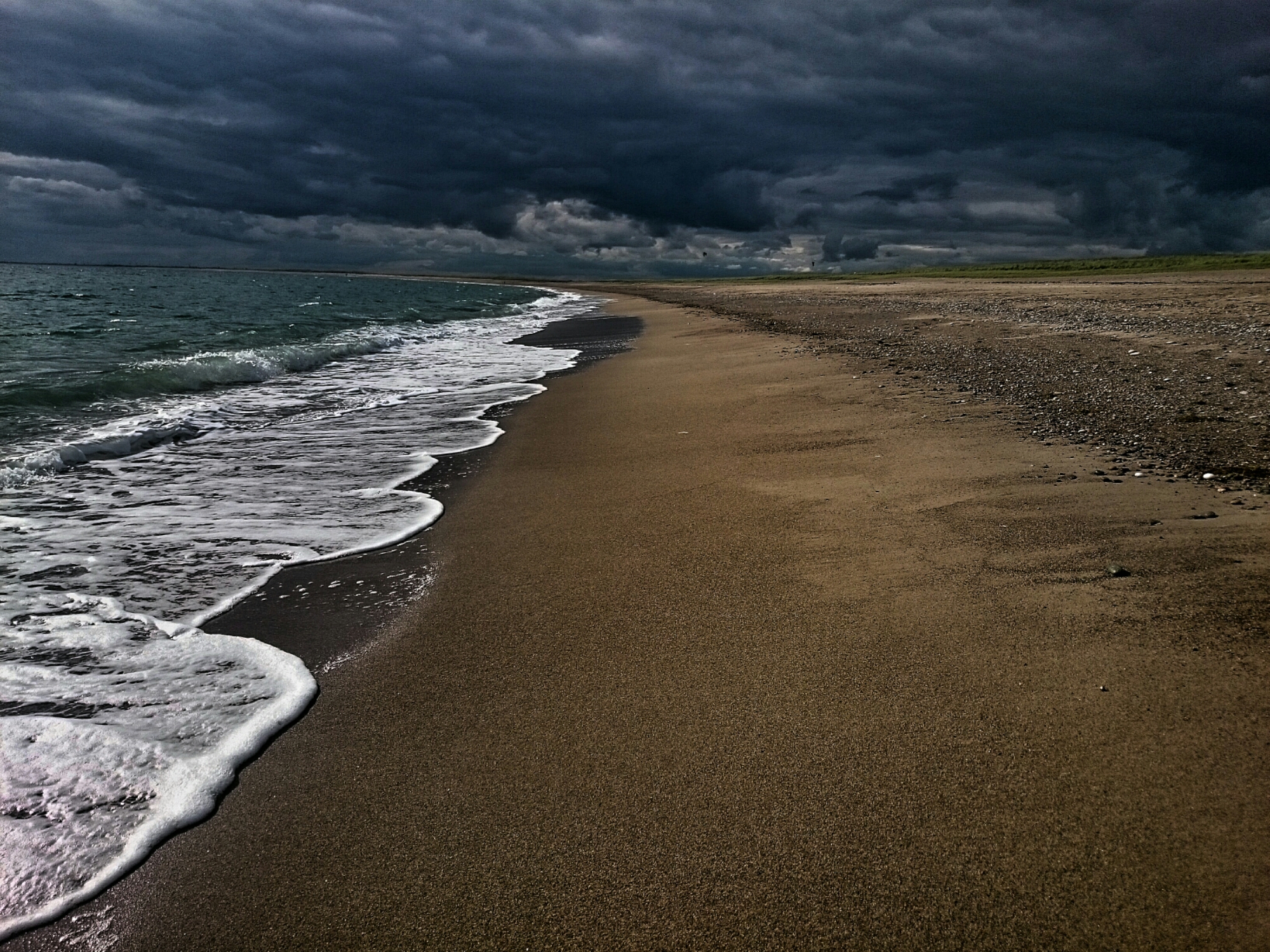
The Wexford coast provides us with a multitude of bass fishing locations and complex environments. From the surf fishing of the east coast beaches and the swirling mysterious sands at Wexford Harbour to the iconic fast water reef systems at Splaugh rock. We can venture past the southern tidal rips of the islands and onwards to the historical Bannow bay and its estuarine secrets finally finding ourselves on the rocky platforms of the Hook Peninsula.
For the saltwater fly fisher this presents a possible lifetime of learning and opportunity, fly fishing takes time, its a slow process. I hope to be able to convey some of my experiences in the next few sequences of posts regarding tackle choices in relation to the fishing and the fishing environments on the Wexford coast particular in respect of presentations to the fish.
- Surf open clean beach
- Surf open mixed beach
- Fast moving water broken ground
- Slow moving water rocky shore
- Fast moving water estuarine shore




 THIRTYARDS
You must be logged in to post a comment.