THIRTYARDS
Bass Fishing. At the pace of the saltwater flyfishing coast. Wexford, Ireland – est 2003.
recent posts
about
-
-
“I’m not telling you to make the world better, because I don’t think that progress is necessarily part of the package. I’m just telling you to live in it. Not just to endure it, not just to suffer it, not just to pass through it, but to live in it. To look at it. To try to get the picture. To live recklessly. To take chances. To make your own work and take pride in it. To seize the moment”
Joan Didion
-
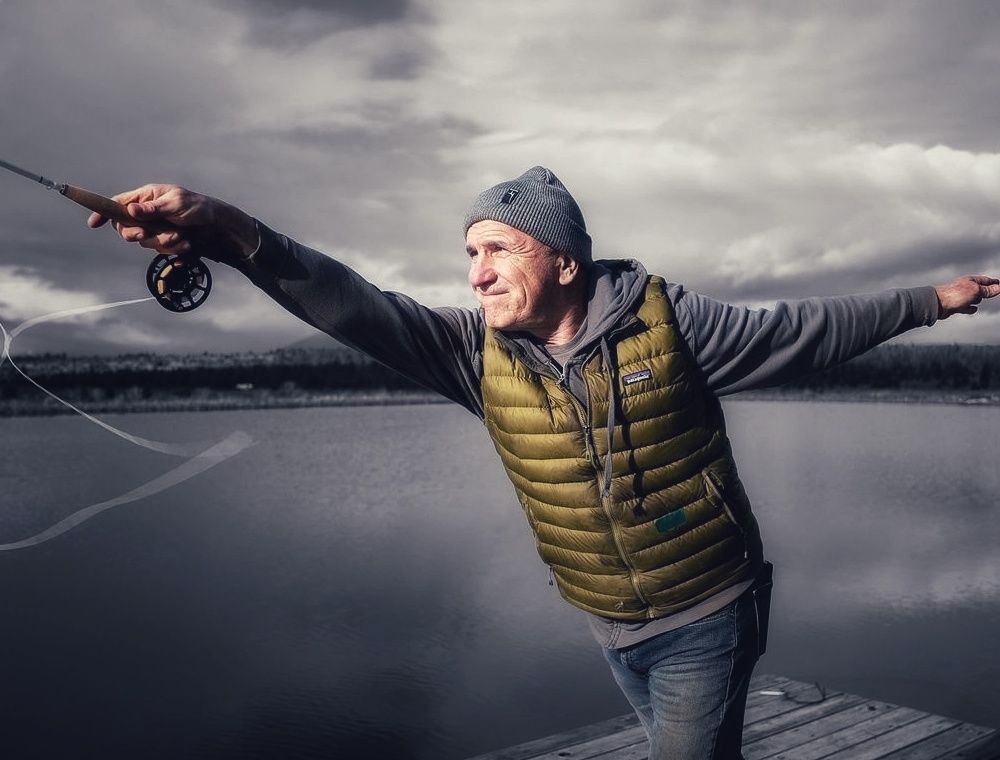
Tim Rajeff of echo flyfishing.
Stay tuned to Instagram for the upcoming series of casting tutorials recently filmed with
Tim Rajeff! #EchoFlyFishing #FlyShopStrong -
‘To me, the real shifting landscape that must unfold is within. It is an inner change where the human being is no longer the central character in a play that has gone on for far too long; where the human being is no longer at the center, because the human being never belonged at the center. Something else belongs at the center.’
Emmanuel Vaughan-Lee
-

…save during the few and necessarily short visits of the clergyman of the parish, seldom have they heard of eternal life as the free gift of God through Jesus Christ, and even these visits were unprofitable from their total ignorance of English… their worship consists in occasional meetings at their chief’s house, with visits to a holy well, called in their native tongue, Derivla… Here the absence of religion is filled with the open practice of pagan idolatry. In the South Island, in the house of a man named Monigan, a stone idol, called in the Irish ‘Neevougi’ has been from time immemorial religiously preserved and worshipped. This god in appearance resembles a thick roll of home-spun flannel, which arises from the custom of dedicating a dress of that material to it, whenever its aid is sought; this is sewed on by an old woman, its priestess, whose peculiar care it is.


 THIRTYARDS
You must be logged in to post a comment.