



Bass Fishing. At the pace of the saltwater flyfishing coast. Wexford, Ireland – est 2003.

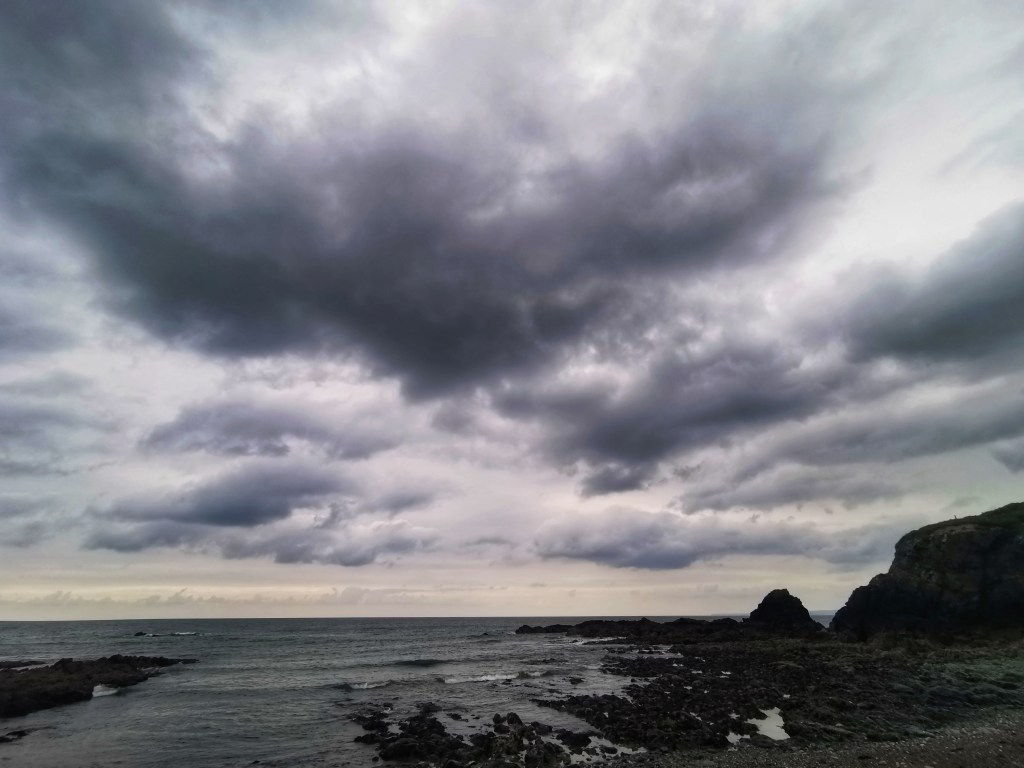
“Mountains should be climbed with as little effort as possible and without desire. The reality of your own nature should determine the speed. If you become restless, speed up. If you become winded, slow down. You climb the mountain in an equilibrium between restlessness and exhaustion. Then, when you’re no longer thinking ahead, each footstep isn’t just a means to an end but a unique event in itself. This leaf has jagged edges. This rock looks loose. From this place the snow is less visible, even though closer. These are things you should notice anyway. To live only for some future goal is shallow. It’s the sides of the mountain which sustain life, not the top. Here’s where things grow.”
Robert M Pirsig
Zen and the art of motorcycle maintenance.

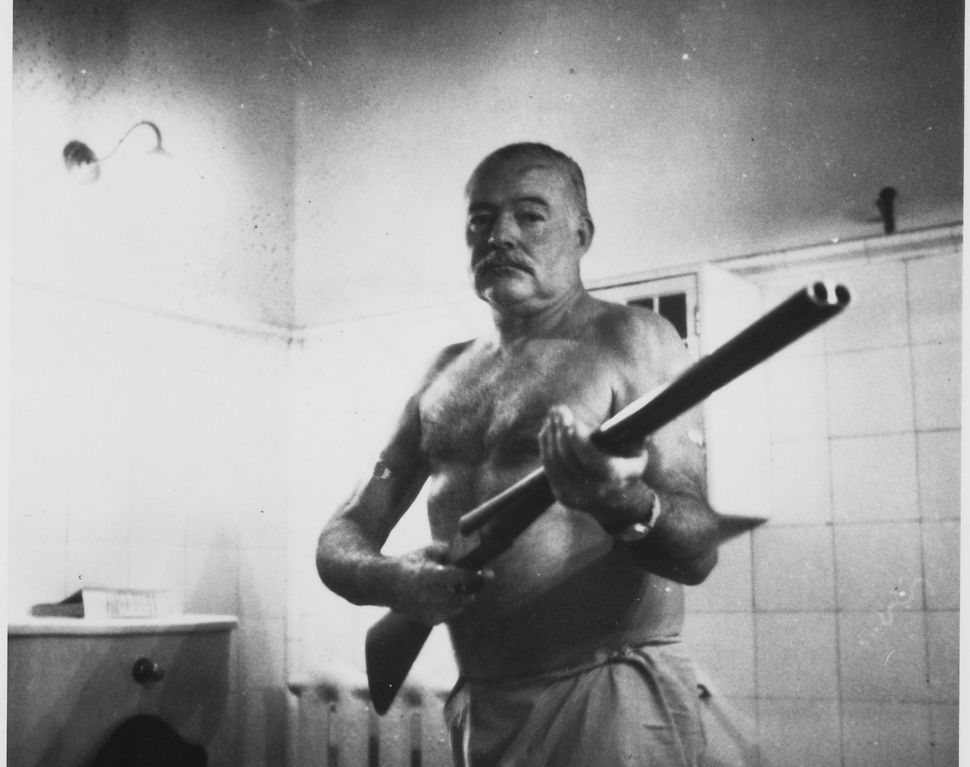

The term liminal derives from the Latin, limins, and refers to the threshold passageway between two separate places. The liminal state is a transitional one, the result of crossing a threshold between locations, status, position, mental state, social condition, war and peace, or illness and death. In early written use, liminal, referred to something (such as a physical stimulus) which was perhaps just barely perceptible, or just barely capable of eliciting a response.

The word limin refers to the point at which a physiological or psychological effect begins to occur.
In its most common extended meaning today, it describes a state, place, or condition of transition, as in “the liminal zone between sleep and wakefulness.”
The closely related word subliminal means “below a threshold”; it can describe something inadequate to produce a sensation or something operating below a threshold of consciousness.

“His rallies and press conferences are rich sources of material, fountains of molten weirdness that blurp up stuff that would sink the career of any other politician. By the time they’re over, all of the attendees are covered in gloppy nonsense”
Tom Nichols
The Atlantic





 THIRTYARDS
You must be logged in to post a comment.